
Logistics & Supply Chain
Move data as reliably as you move goods
Logistics runs on documents and status updates. Automating both removes delay, reduces exceptions and gives customers better information.
Overview
Tracking, documentation and system-to-system data flow.
Document extraction converts shipping paperwork into structured records automatically.
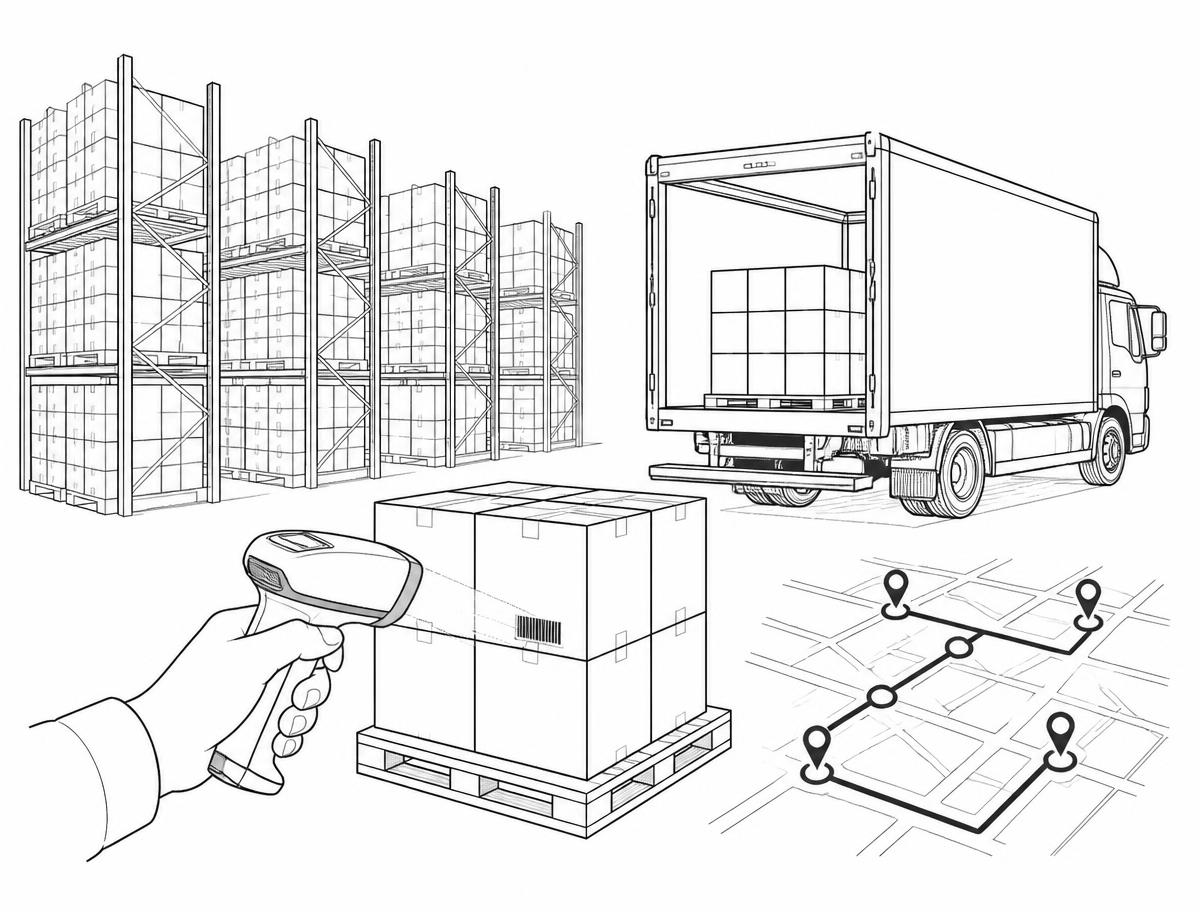
Industry challenges
What gets in the way
Document volume
Bills of lading, customs forms and invoices arrive in every format.
Status enquiries
Customers ask for updates that already exist somewhere in a system.
Disconnected platforms
TMS, WMS, carrier portals and accounting operate separately.
Exception handling
Delays and discrepancies are detected late.
How technology helps
Where the leverage is
- Document extraction converts shipping paperwork into structured records automatically.
- Integrations synchronise data between carriers, warehouses and finance systems.
- Tracking portals and automated notifications reduce inbound status enquiries.
- Dashboards surface exceptions as they happen rather than at month end.
Solutions
What we build for logistics & supply chain
Example use cases
- Shipping documents parsed and posted into a TMS
- A customer tracking portal with automated notifications
- Exception dashboards for delayed or mismatched shipments
Illustrative examples — not client work.
Relevant services
Other industries
See more sectors
Next step
Let's build a solution for your business
Tell us how your logistics & supply chain operation works today, and where the friction is.